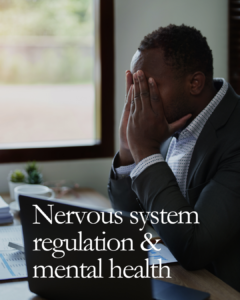
Burnout isn’t a personal failure — it’s often a sign that the nervous system has been carrying too much for too long. When stress becomes constant, the body stays stuck in survival mode, making rest, clarity, and emotional balance feel out of reach.
Understanding nervous system regulation helps reframe what you’re feeling — not as weakness, but as a signal that support is needed.
📞 Call to schedule a free consultation.
Nervous System Regulation and Mental Health: Why Burnout Isn’t a Personal Failure
Burnout doesn’t usually happen all at once. It builds slowly through chronic stress, emotional overload, and the pressure to keep going without rest. Understanding the connection between nervous system regulation and mental health helps explain why so many people feel exhausted, anxious, or emotionally numb — and why these symptoms are signals, not personal failures. At Elevate Mind & Mood, we help patients recognize these patterns and respond with support instead of self-blame.
What Happens When the Nervous System Is Overloaded
The nervous system is designed to handle short bursts of stress. But when stress becomes constant, the body can get stuck in survival mode. Over time, this may show up as:
-
chronic fatigue
-
irritability or emotional numbness
-
anxiety or low mood
-
sleep disturbances
-
difficulty concentrating
-
feeling disconnected or “shut down”
These symptoms are not character flaws — they are signs that the nervous system has been working overtime.
How Nervous System Regulation and Mental Health Are Connected
When the nervous system is regulated, the brain can shift out of fight-or-flight mode and into a state where healing, connection, and emotional balance are possible. Regulation supports:
-
improved emotional resilience
-
clearer thinking
-
better sleep quality
-
reduced anxiety responses
-
improved mood stability
Small daily practices — when done consistently — help signal safety to the nervous system and allow it to recover.
Rest Is a Requirement, Not a Reward
One of the most common beliefs we hear is, “I’ll rest when things slow down.” Unfortunately, for many people, that moment never comes.
Rest is not something you earn after burnout — it’s something that prevents burnout.
This can include:
-
consistent sleep routines
-
intentional breaks from overstimulation
-
realistic boundaries with work and obligations
-
time without productivity goals
-
asking for help before exhaustion takes over
These practices don’t make life smaller. They make it more sustainable. Read more about how stress impacts health here.
When Burnout Needs More Than Lifestyle Changes
While rest and habits are powerful, sometimes the nervous system needs additional support. Persistent burnout, anxiety, depression, or emotional disconnection may indicate deeper nervous system dysregulation.
At Elevate Mind & Mood, we look at the full picture — not just routines, but brain chemistry, stress patterns, and treatment options when appropriate. Our mental health services are designed to support long-term regulation, not quick fixes.
A More Compassionate Way Forward
Burnout doesn’t mean you’re broken. It means you’ve been strong for too long without enough support. Healing begins when the nervous system feels safe enough to rest, reset, and respond differently.
If understanding nervous system regulation and mental health feels important to you right now, we’re here to help you explore next steps.
📞 Call to schedule a free consultation.
At Elevate Mind & Mood, care starts with listening.