Physical Symptoms of Anxiety
When most people think about anxiety, they think about worry, fear, or racing thoughts. While anxiety certainly affects emotions, many people are surprised to learn that it can also create very real physical symptoms.
In fact, the physical symptoms of anxiety are often what bring people to a healthcare provider in the first place. Some individuals experience chest tightness, headaches, fatigue, digestive issues, or muscle tension before they ever recognize that stress may be contributing to their discomfort.
Understanding how anxiety affects the body can help people better recognize what they are experiencing and why these symptoms occur.
Why Anxiety Affects the Body
The brain and body are constantly communicating with one another.
When the brain perceives stress or potential danger, it activates the nervous system. This process triggers the release of stress hormones that prepare the body to respond.
This response can be incredibly helpful during an emergency. However, when stress becomes chronic, the body may remain activated for longer periods than intended.
As a result, people may begin experiencing a variety of physical symptoms of anxiety even when no immediate threat is present.
Common Physical Symptoms of Anxiety
The experience is different for everyone, but some of the most common symptoms include:
- muscle tension
- headaches
- rapid heartbeat
- digestive discomfort
- nausea
- dizziness
- sweating
- fatigue
- difficulty sleeping
- restlessness
These symptoms are not imagined. They are genuine physical responses connected to the body’s stress response system.
Many people become frustrated because medical testing often reveals no obvious physical cause. This can leave individuals feeling confused or discouraged.
The Connection Between Anxiety and Sleep
Sleep and anxiety are closely connected.
When stress levels remain elevated, it can become difficult to fall asleep or stay asleep. Poor sleep then makes it harder for the brain and body to recover.
Over time, this cycle may contribute to:
- low energy
- brain fog
- irritability
- reduced concentration
- increased emotional stress
This is one reason why addressing both stress and recovery is so important.
How Chronic Stress Can Affect Everyday Life
When anxiety continues for an extended period, the effects often extend beyond physical symptoms.
People may find themselves:
- avoiding situations that feel overwhelming
- struggling to relax
- feeling constantly on edge
- becoming more easily frustrated
- experiencing difficulty focusing
These experiences can affect work, relationships, and overall quality of life.
Supporting Emotional and Physical Wellbeing
While everyone responds differently, several habits may help support both mental and physical health.
Helpful practices often include:
- regular physical activity
- quality sleep
- spending time outdoors
- deep breathing exercises
- healthy daily routines
- meaningful social connection
Small changes practiced consistently often provide greater benefit than dramatic changes that are difficult to maintain.
Understanding the Mind-Body Connection
The physical symptoms of anxiety can feel overwhelming, especially when they seem to appear without explanation.
The good news is that anxiety does not affect only the mind. It affects the entire body, which means understanding the connection between emotional and physical wellbeing can be an important step toward finding greater balance.
Recognizing the physical symptoms of anxiety can help people better understand their experiences and take meaningful steps toward supporting their overall wellbeing.
📞 Call to schedule your free consultation.
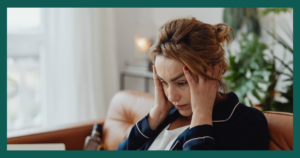
Anxiety affects more than emotions. Many people experience physical symptoms such as headaches, fatigue, muscle tension, poor sleep, and difficulty concentrating.